Why Your Knees Hurt Going Up Stairs —
And It's Not Just "Getting Older"
A board-certified naturopathic physician explains why morning stiffness never fully goes away, why kneeling down still hurts no matter what you've tried — and what's really happening inside the joint that most doctors never explain.
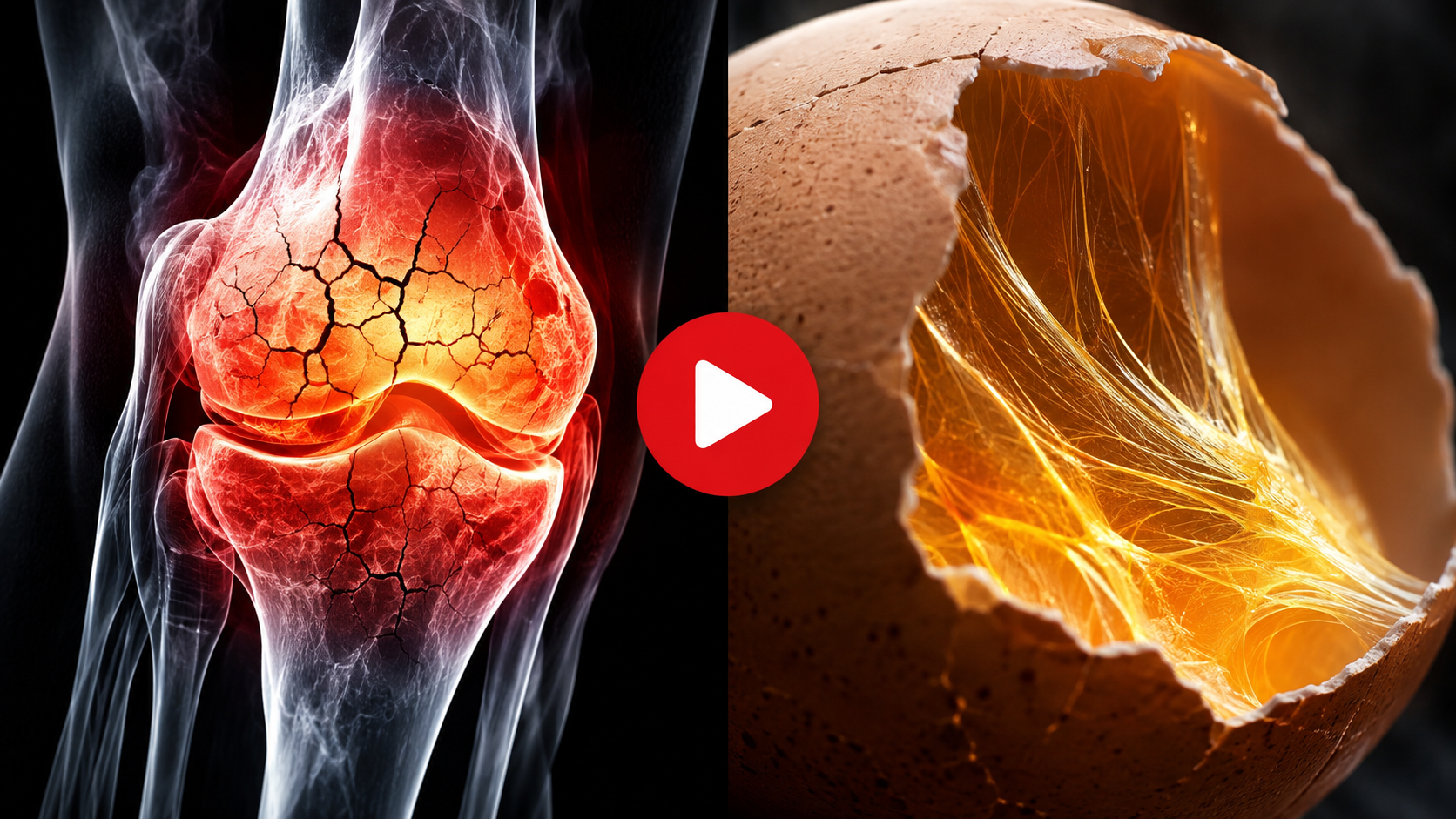
If your knees hurt going up stairs, if kneeling down sends a sharp reminder that something's wrong, or if you wake up every morning with stiffness that takes an hour to work itself out…
you're not imagining it, and it's not simply because you're getting older.
A leading naturopathic physician says the reason so many people struggle with joint pain that never fully goes away has nothing to do with how "worn out" their joints are — and everything to do with something happening at a much smaller level, inside the joint itself.
Cartilage isn't just wearing down like an old tire. According to research reviewed by this physician, certain enzymes your body produces naturally can begin to break down healthy cartilage faster than it can be replaced — especially once joints are missing key nutrients. That process can quietly continue for years before it ever shows up on an x-ray.
That's why the stiffness comes back every morning. That's why stairs never seem to get easier. That's why kneeling down still hurts, no matter how much you stretch, rest, or try to "take it easy."
You weren't doing anything wrong. You were just never told what's actually happening.
If any of this sounds familiar, this video was made for you:
- Your knees hurt going up (or down) stairs, even on a normal day
- Kneeling down is something you actively avoid now
- Morning stiffness takes longer and longer to work itself out
- You've tried the usual things — and nothing gave you lasting relief
- You've started skipping activities you used to enjoy because of the pain
- A doctor has told you it's "just age" and left it at that
This physician has spent over two decades treating patients with exactly this kind of joint pain, and in the free video below, he breaks down what's really going on — in plain terms, based on published clinical research.
In the free presentation, you'll learn:
- Why stiffness and stair pain often have nothing to do with "wear and tear"
- What actually happens inside a joint once cartilage starts breaking down faster than it rebuilds
- Why common approaches like rest, stretching, or over-the-counter options rarely fix the underlying issue
- What published research says about supporting the joint at a nutritional level
- Why this often gets worse gradually, then suddenly feels unmanageable
Important: The longer this process goes unaddressed, the harder it tends to become to manage. Many people wait until stairs, kneeling, or simple daily movement become genuinely difficult before looking into why.